
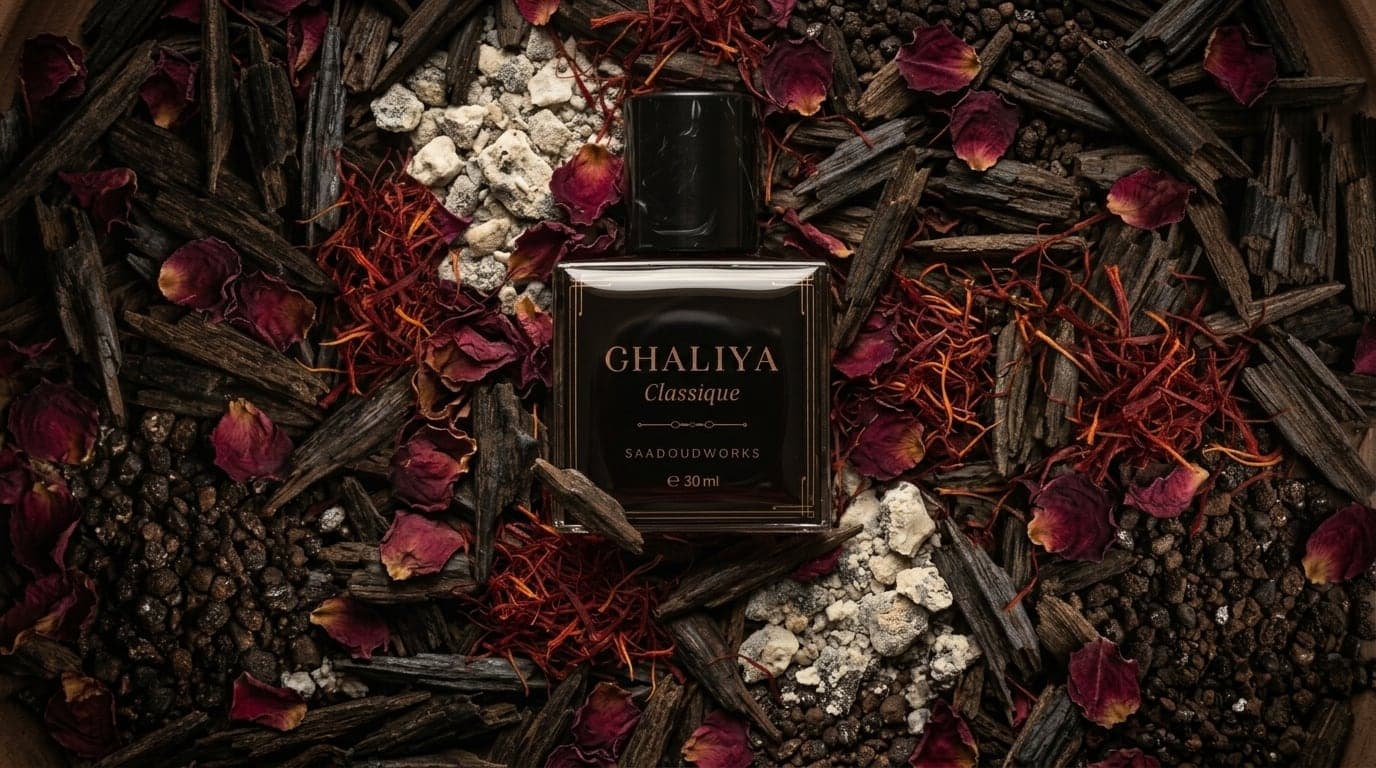
Ghaliya Classique
Al-Kindi wrote the formulas down in the ninth century because he expected them to be used. A return to the position those formulas start from: a small number of materials, used at full strength and in exact relation to each other. Deer musk, ambergris, three wild ouds, three roses, Persian saffron, and Peru balsam.
Classic Edition
This composition has been permanently retired. It exists only in the hands of those who claimed it.
Flacon: Heavy French glass with a handcrafted brass cap. Label: Letterpress printed on textured cotton paper. Concentration: 30mL Extrait de Parfum.
Why This Composition Exists
The Ninth-Century Position
Al-Kindi wrote the formulas down in the ninth century because he expected them to be used. There is nothing precious in the Kitāb Kīmiyā' al-'Iṭr: measurements, proportions, methods, the plain instruction of a man who assumed the reader had the materials to hand and work to do. He was not preserving a heritage. He was writing for a craft that was alive, and he took its aliveness for granted. That is the part that gets lost. What survives from that period gets treated as inheritance, something to invoke, and invoking a tradition is almost the opposite of practising it. The formulas were never sacred. They were a starting position, argued over and revised by everyone who came after, because the materials were expensive enough that no one could afford to be sentimental about how they were used. So this is not a reconstruction. It is a return to the position those formulas start from, which is that a small number of materials, used at full strength and in the right relation to each other, are sufficient. Musk and ambergris hold the centre. Oud, rose, saffron and balsam are arranged around them. There is nothing added to make it easier to like and nothing removed to make it easier to sell.
Exposed Materials & Trade Routes
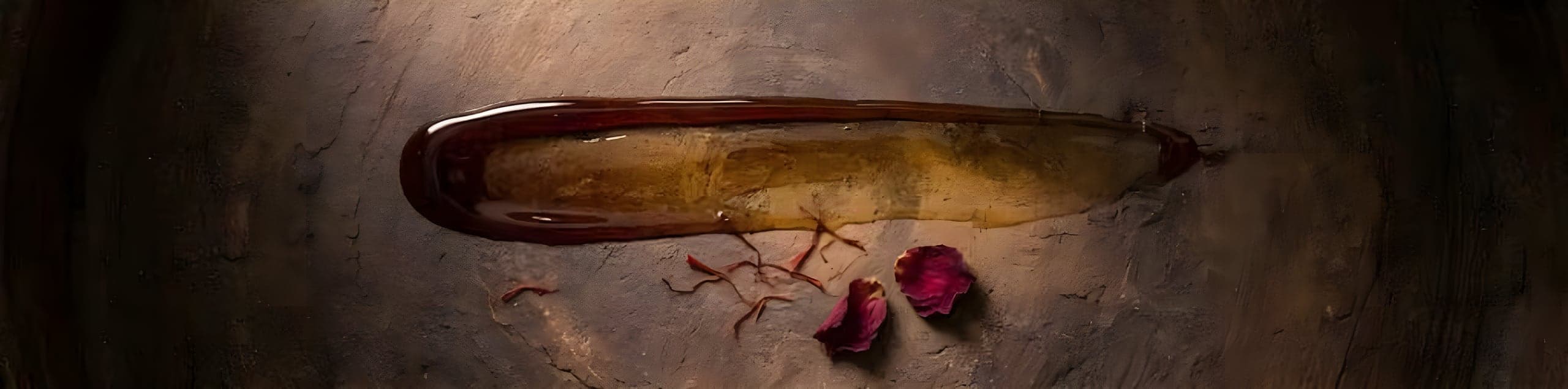
Going back to basics is not a modest ambition. It removes every place to hide. Complexity forgives a weak material: you bury it, you distract from it, you let the top notes do the work. This does not permit that. Deer musk is unbearable on its own, animal and flat and closed, and only opens as it thins out; get the concentration wrong and the whole thing sits there refusing to move. Non-soaked Assam has no fermented sweetness to fall back on. The three roses have to hold their separate voices or collapse into one generic floral. Each material is exposed, and each one either carries or does not. And they should not have met at all. Musk from the Himalayan foothills, ambergris expelled by a whale and left years in the sun and salt, oud from three forests divided by open water, saffron from the Persian plateau and roses from the gardens beneath it. No forest, no coastline, no plateau produces this. It only exists because people moved things across enormous distances, at real cost, for no reason more defensible than wanting to smell a certain way. That impulse is old and it is not rational, and it built trade routes.
Ghālin and The Refusal of Distance
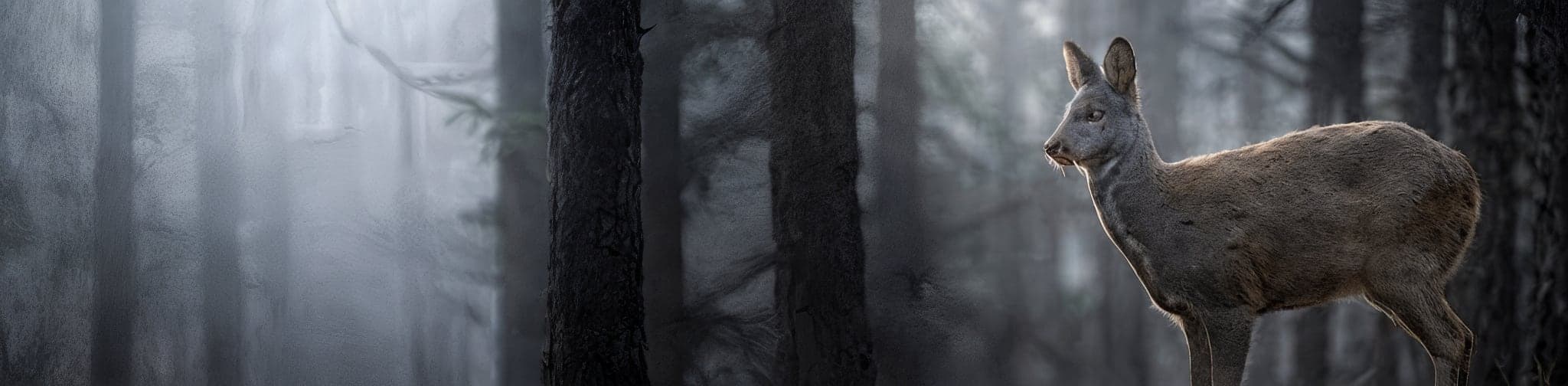
Ghāliya took its name from ghālin: costly. Not fragrant, not beautiful. Costly. The oldest named compound in this tradition was named for what it demanded of the person who wanted it, and that honesty is worth keeping. The old compounds were worked into hair and cloth and rubbed into letters, so that something of the sender arrived ahead of the words. That was the point. Not display: reach. A way of being present somewhere you could not go, for someone you could not get to. Distance was measured in months then, and this was how people refused it. None of that requires belief. It requires the materials to be what they are said to be, and enough of them, and the patience to leave the compound alone while it becomes itself. That is all any of this has ever been: someone deciding a thing was worth the cost, and then paying it. Whether it was worth yours is not a question anyone else can answer.

Verified Buyer Reviews
Olfactory Impressions & Sillage Observations from Recognized Collectors
Retrieving verified client observations...